
SONY E-Bike Companion App
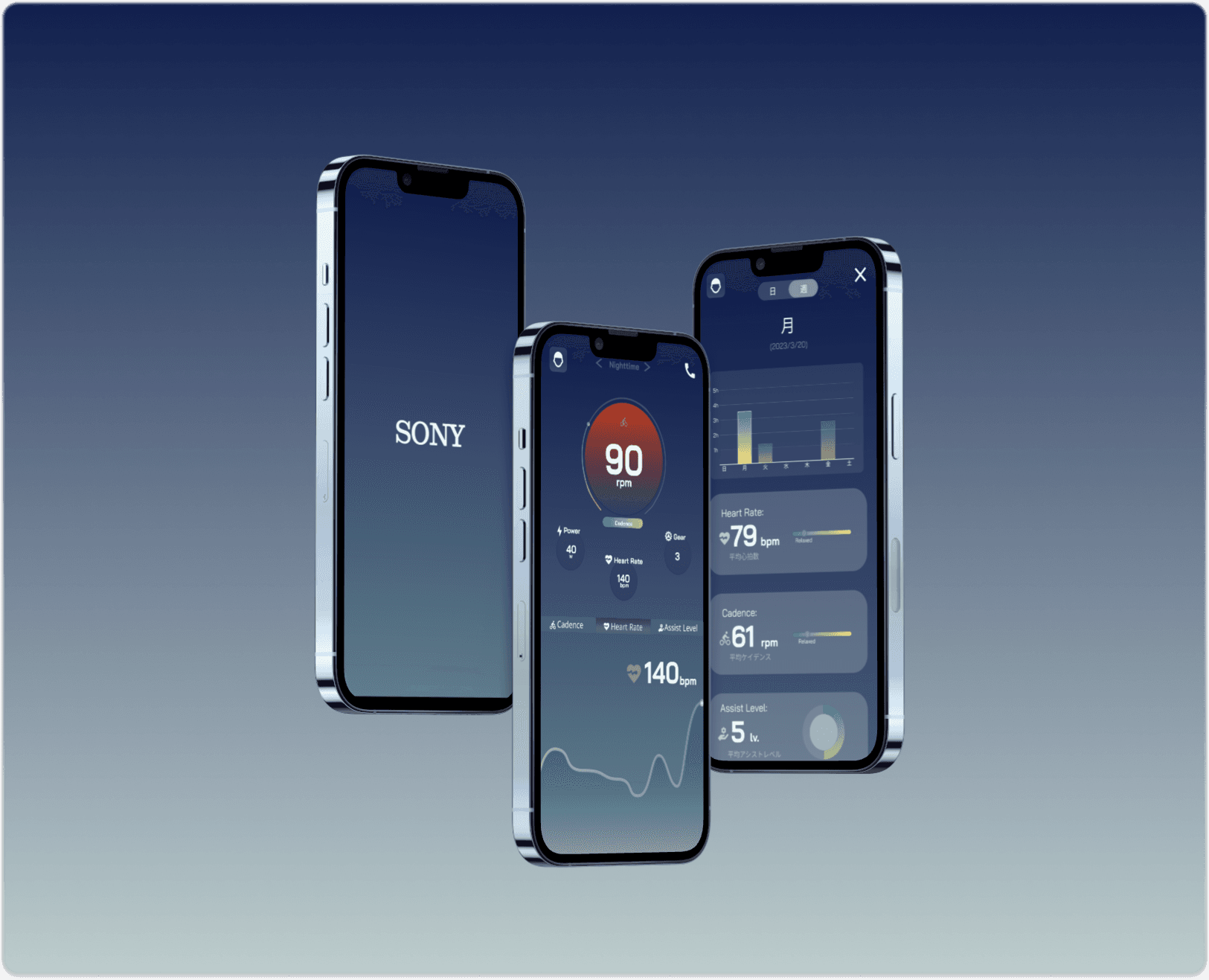
Designed a mobile companion app for a smart e-bike, focused on real-time ride awareness, safety, and intuitive control while riding.
ROLE SNAPSHOT
Designed core app flows supporting riding, monitoring, and post-ride review
Balanced safety, glanceability, and feature depth in a mobile context
Explored how hardware and software work together as one experience
Client
SONY
Timeline
4 months
Focus Areas
UX/UI Design · Design Thinking · Interaction Design
CONTEXT
As smart mobility products evolve, companion apps play a critical role in extending the value of physical devices. For e-bikes, users need access to navigation, ride data, and system status—often while in motion and under time or attention constraints.
This project explored how a SONY e-bike companion app could support riders before, during, and after rides, while maintaining safety, clarity, and brand consistency.
PROBLEM
Riders need key information while moving, but attention is limited
Existing mobility apps often overload users with dense dashboards
Safety-critical actions must be accessible without causing distraction
APPROACH
Analysed real-world riding scenarios and moments of interaction
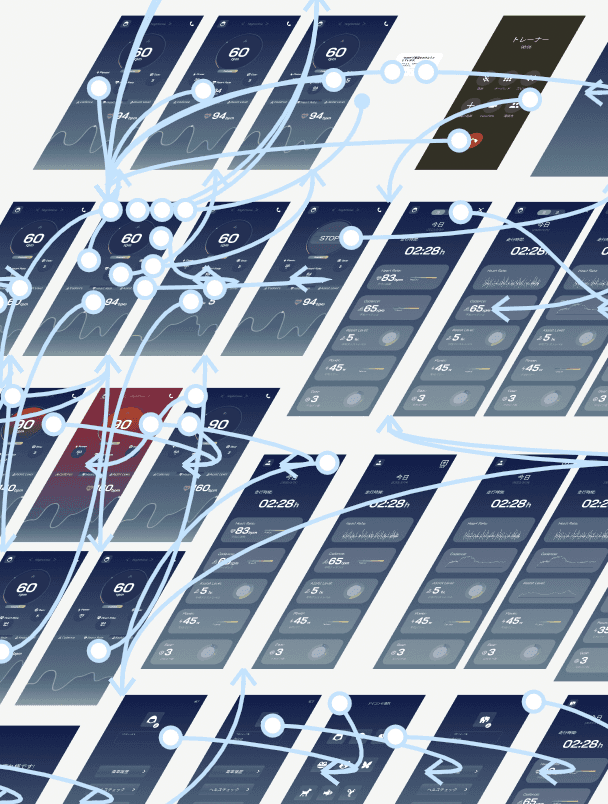
Mapped rider needs across pre-ride, in-ride, and post-ride phases
Prioritised glanceable information and minimal interaction during rides
Designed mobile flows that complement hardware controls rather than replace them
KEY DESIGN DECISIONS
1. Designing for glanceability during rides
While riding, users cannot afford complex interactions or dense interfaces. The app prioritised only the most critical information during motion.
Design focus:
Large typography and high-contrast UI
Minimal on-screen elements during active riding
Clear visual hierarchy for speed, battery, and navigation cues
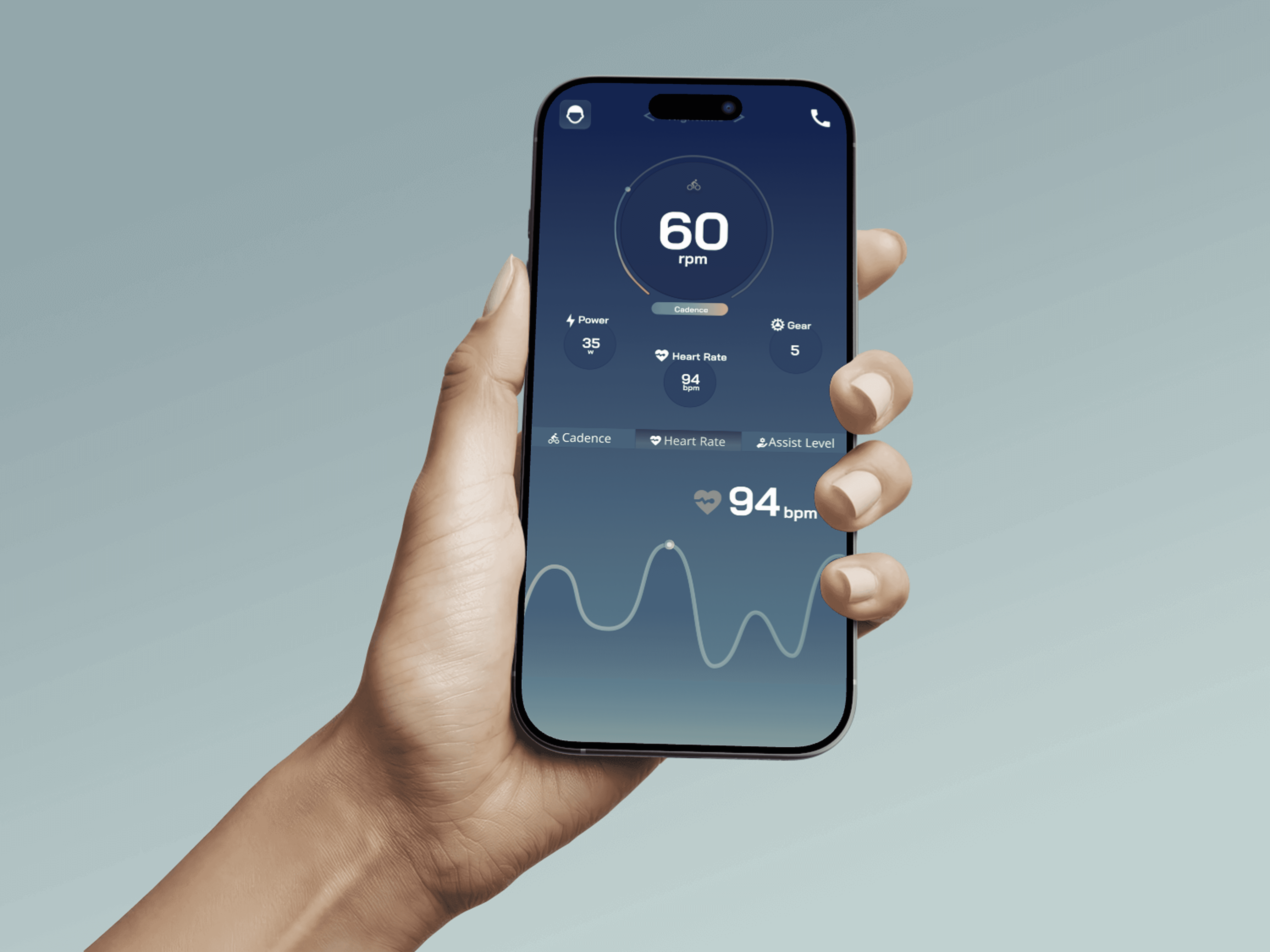
In-ride screens showing simplified layouts optimised for quick glances.
2. Separating riding and non-riding modes
The app clearly distinguishes between moments when users are stationary versus in motion, allowing richer interaction only when safe.
Design focus:
Reduced interaction options while riding
Expanded controls and insights when stopped
Clear transitions between modes
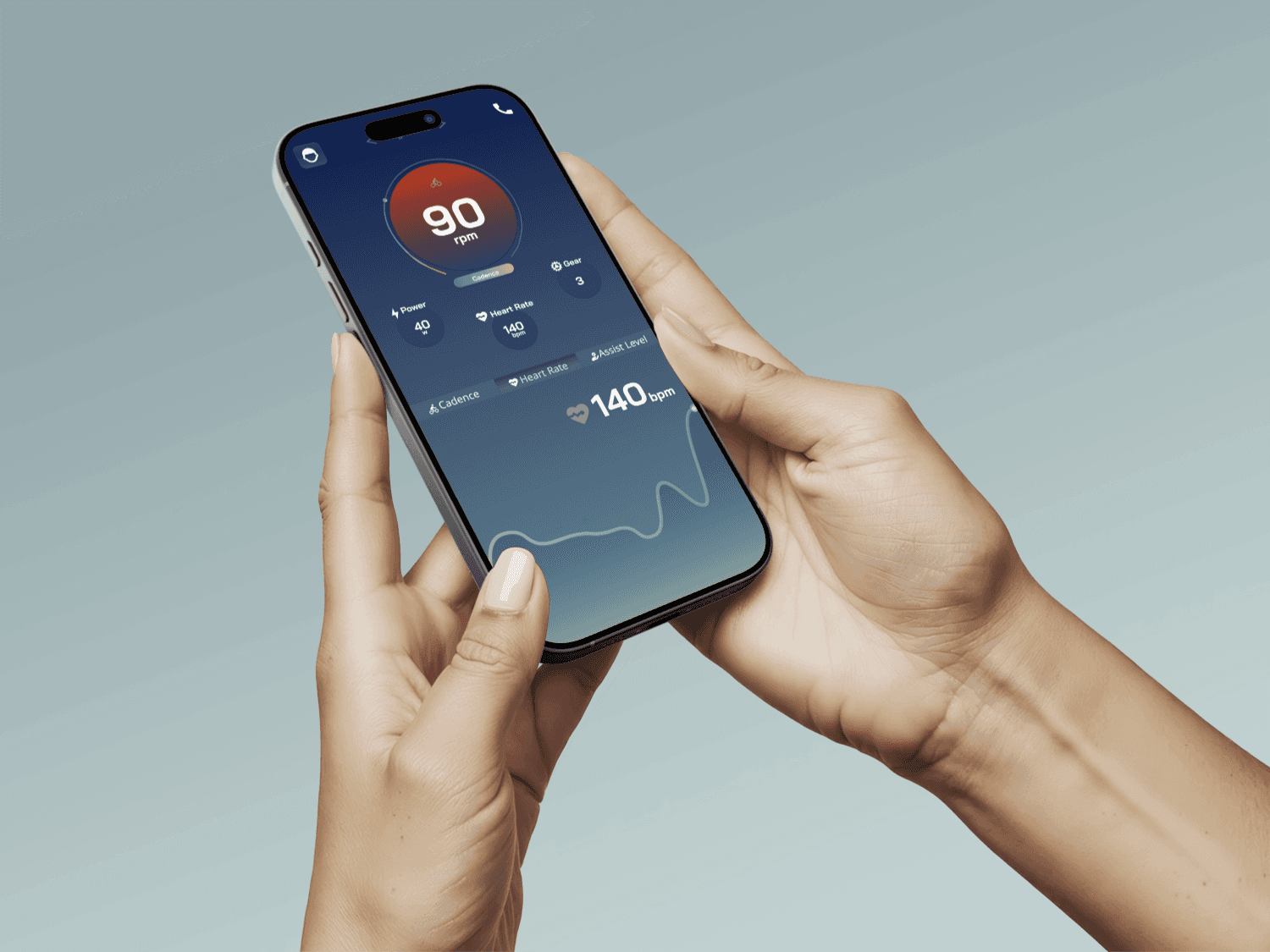
Pre-ride and paused states revealing deeper settings and ride details.
3. Integrating hardware and software as one system
The app was designed to support—not compete with—the physical e-bike interface.
Design focus:
App complements on-bike controls and displays
Avoids duplicating hardware functions unnecessarily
Reinforces feedback already provided by the bike
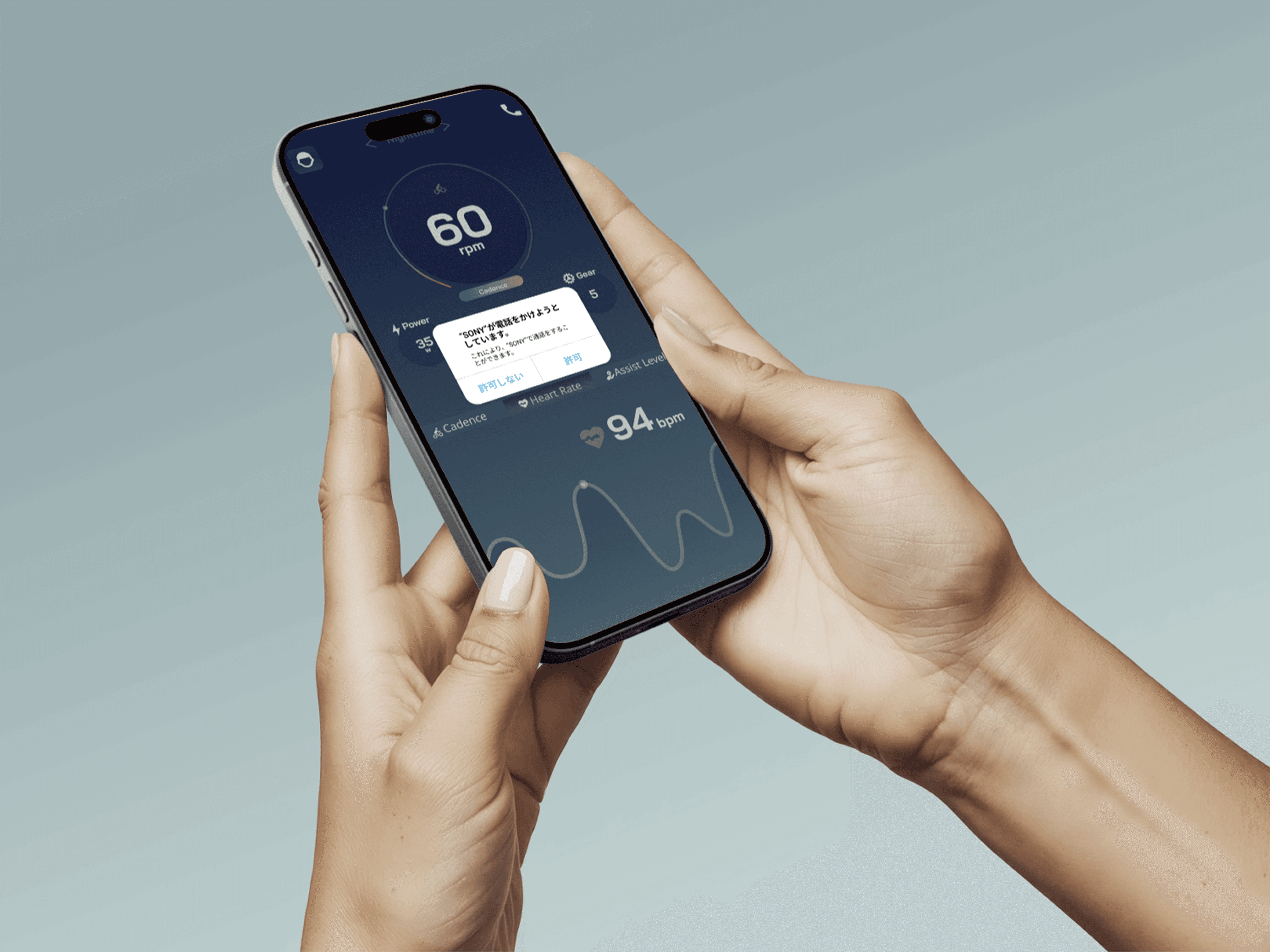
Screens showing secondary controls and contextual information tied to bike status.
4. Post-ride reflection and habit building
Beyond the ride itself, the app supports users in understanding and improving their riding habits.
Design focus:
Clear summaries of distance, duration, and battery usage
Visualisation of ride history without excessive analytics
Encouraging review without overwhelming users
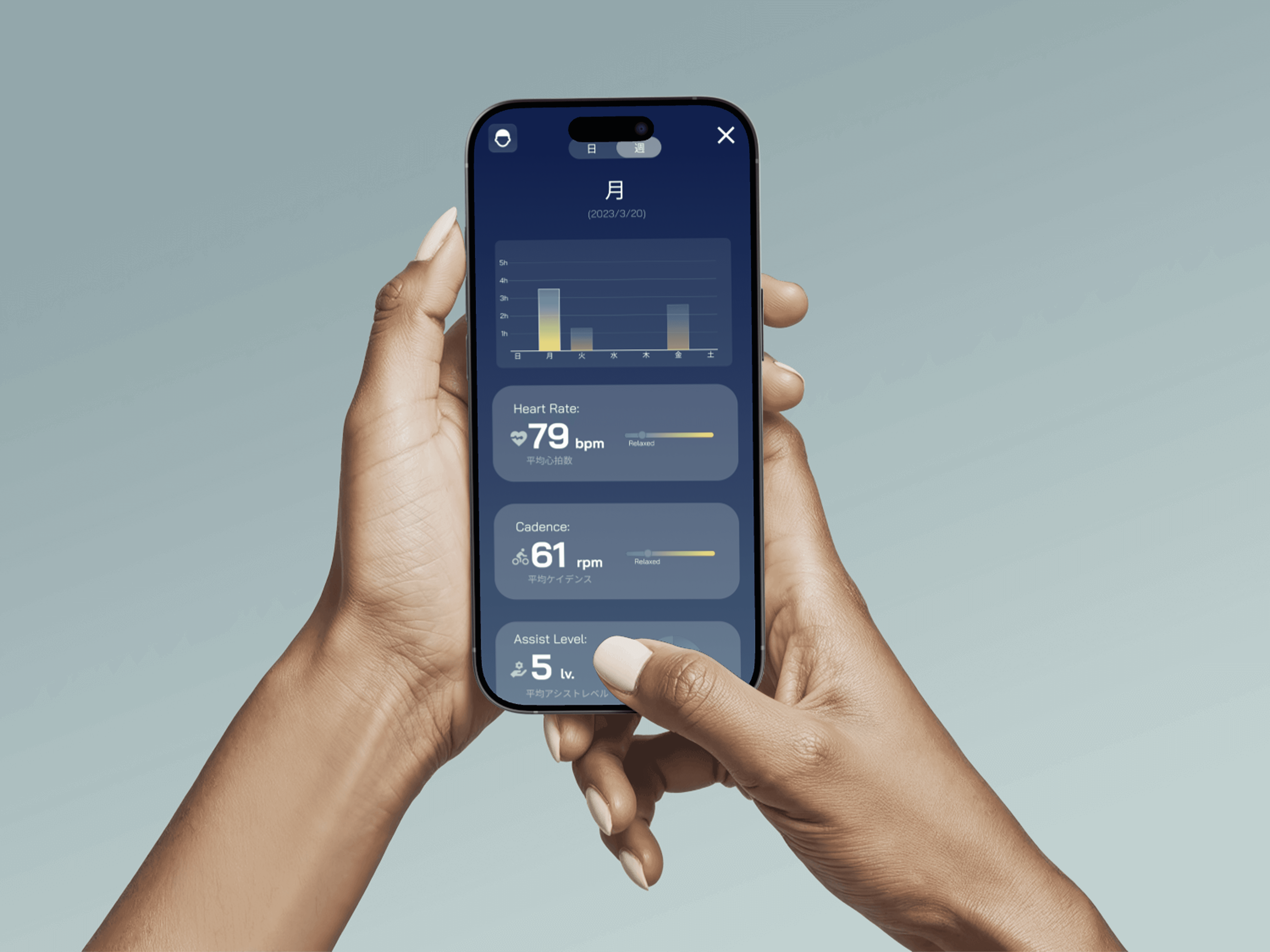
Post-ride summary and history screens highlighting key metrics.
OUTCOME
Designed a clear, safety-first companion app experience
Balanced real-time awareness with minimal distraction
Demonstrated system thinking across hardware and software
Created a scalable UX foundation for future smart mobility features
REFLECTION
This project deepened my understanding of designing for attention-critical contexts, where usability directly impacts safety. It reinforced the importance of restraint—showing less, but better—and strengthened my ability to design experiences that integrate seamlessly with physical products rather than exist in isolation.
Check out some of my recent projects.

SONY E-Bike Companion App
Designed a mobile companion app for a smart e-bike, focused on real-time ride awareness, safety, and intuitive control while riding.
ROLE SNAPSHOT
Designed core app flows supporting riding, monitoring, and post-ride review
Balanced safety, glanceability, and feature depth in a mobile context
Explored how hardware and software work together as one experience
Client
SONY
Timeline
4 months
Focus Areas
UX/UI Design · Design Thinking · Interaction Design
CONTEXT
As smart mobility products evolve, companion apps play a critical role in extending the value of physical devices. For e-bikes, users need access to navigation, ride data, and system status—often while in motion and under time or attention constraints.
This project explored how a SONY e-bike companion app could support riders before, during, and after rides, while maintaining safety, clarity, and brand consistency.
PROBLEM
Riders need key information while moving, but attention is limited
Existing mobility apps often overload users with dense dashboards
Safety-critical actions must be accessible without causing distraction
APPROACH
Analysed real-world riding scenarios and moments of interaction
Mapped rider needs across pre-ride, in-ride, and post-ride phases
Prioritised glanceable information and minimal interaction during rides
Designed mobile flows that complement hardware controls rather than replace them
KEY DESIGN DECISIONS
1. Designing for glanceability during rides
While riding, users cannot afford complex interactions or dense interfaces. The app prioritised only the most critical information during motion.
Design focus:
Large typography and high-contrast UI
Minimal on-screen elements during active riding
Clear visual hierarchy for speed, battery, and navigation cues
In-ride screens showing simplified layouts optimised for quick glances.
2. Separating riding and non-riding modes
The app clearly distinguishes between moments when users are stationary versus in motion, allowing richer interaction only when safe.
Design focus:
Reduced interaction options while riding
Expanded controls and insights when stopped
Clear transitions between modes
Pre-ride and paused states revealing deeper settings and ride details.
3. Integrating hardware and software as one system
The app was designed to support—not compete with—the physical e-bike interface.
Design focus:
App complements on-bike controls and displays
Avoids duplicating hardware functions unnecessarily
Reinforces feedback already provided by the bike
Screens showing secondary controls and contextual information tied to bike status.
4. Post-ride reflection and habit building
Beyond the ride itself, the app supports users in understanding and improving their riding habits.
Design focus:
Clear summaries of distance, duration, and battery usage
Visualisation of ride history without excessive analytics
Encouraging review without overwhelming users
Post-ride summary and history screens highlighting key metrics.
OUTCOME
Designed a clear, safety-first companion app experience
Balanced real-time awareness with minimal distraction
Demonstrated system thinking across hardware and software
Created a scalable UX foundation for future smart mobility features
REFLECTION
This project deepened my understanding of designing for attention-critical contexts, where usability directly impacts safety. It reinforced the importance of restraint—showing less, but better—and strengthened my ability to design experiences that integrate seamlessly with physical products rather than exist in isolation.
Check out some of my recent projects.
SONY E-Bike Companion App
Designed a mobile companion app for a smart e-bike, focused on real-time ride awareness, safety, and intuitive control while riding.
ROLE SNAPSHOT
Designed core app flows supporting riding, monitoring, and post-ride review
Balanced safety, glanceability, and feature depth in a mobile context
Explored how hardware and software work together as one experience
Client
SONY
Timeline
4 months
Focus Areas
UX/UI Design · Design Thinking · Interaction Design
CONTEXT
As smart mobility products evolve, companion apps play a critical role in extending the value of physical devices. For e-bikes, users need access to navigation, ride data, and system status—often while in motion and under time or attention constraints.
This project explored how a SONY e-bike companion app could support riders before, during, and after rides, while maintaining safety, clarity, and brand consistency.
PROBLEM
Riders need key information while moving, but attention is limited
Existing mobility apps often overload users with dense dashboards
Safety-critical actions must be accessible without causing distraction
APPROACH
Analysed real-world riding scenarios and moments of interaction
Mapped rider needs across pre-ride, in-ride, and post-ride phases
Prioritised glanceable information and minimal interaction during rides
Designed mobile flows that complement hardware controls rather than replace them
KEY DESIGN DECISIONS
1. Designing for glanceability during rides
While riding, users cannot afford complex interactions or dense interfaces. The app prioritised only the most critical information during motion.
Design focus:
Large typography and high-contrast UI
Minimal on-screen elements during active riding
Clear visual hierarchy for speed, battery, and navigation cues
In-ride screens showing simplified layouts optimised for quick glances.
2. Separating riding and non-riding modes
The app clearly distinguishes between moments when users are stationary versus in motion, allowing richer interaction only when safe.
Design focus:
Reduced interaction options while riding
Expanded controls and insights when stopped
Clear transitions between modes
Pre-ride and paused states revealing deeper settings and ride details.
3. Integrating hardware and software as one system
The app was designed to support—not compete with—the physical e-bike interface.
Design focus:
App complements on-bike controls and displays
Avoids duplicating hardware functions unnecessarily
Reinforces feedback already provided by the bike
Screens showing secondary controls and contextual information tied to bike status.
4. Post-ride reflection and habit building
Beyond the ride itself, the app supports users in understanding and improving their riding habits.
Design focus:
Clear summaries of distance, duration, and battery usage
Visualisation of ride history without excessive analytics
Encouraging review without overwhelming users
Post-ride summary and history screens highlighting key metrics.
OUTCOME
Designed a clear, safety-first companion app experience
Balanced real-time awareness with minimal distraction
Demonstrated system thinking across hardware and software
Created a scalable UX foundation for future smart mobility features
REFLECTION
This project deepened my understanding of designing for attention-critical contexts, where usability directly impacts safety. It reinforced the importance of restraint—showing less, but better—and strengthened my ability to design experiences that integrate seamlessly with physical products rather than exist in isolation.